
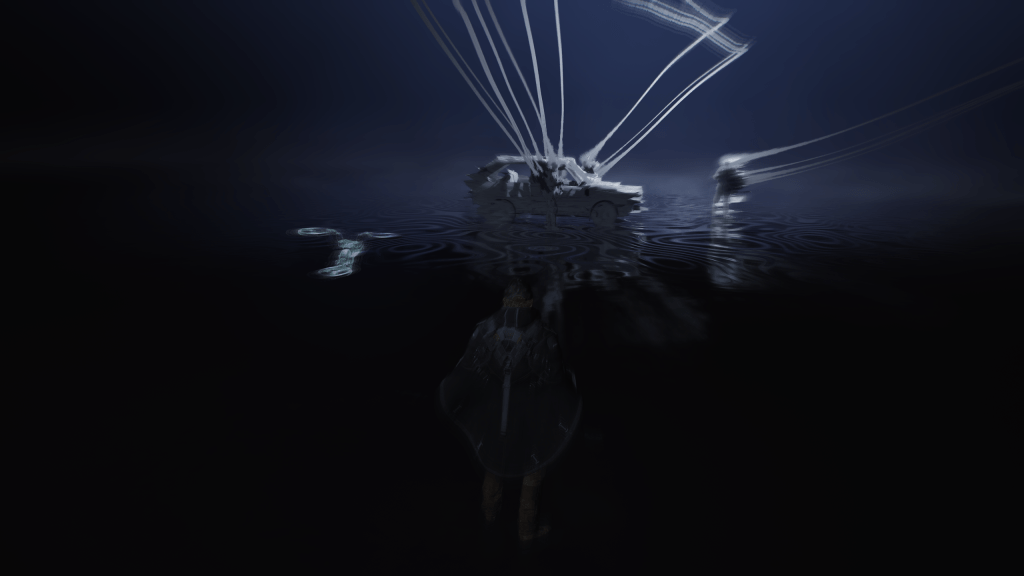
I just finished up Hell is Us this week. I hadn’t heard of this game until I read this RPS article a few weeks back. Admittedly, the article doesn’t give the game much praise but I was intrigued by the prospect of a “souls-like” in a more modern setting.
Hell is Us takes place in an alternate 1993 in a country called Hadea where civil war has broken out. The Palomists and the Sabinians are engaged in a viscous war full of all sorts of horrible atrocities. Talking to the various NPCs, they don’t even know why they hate each other so much, they just always have. There are also these creatures that have appeared and seem to be linked to strong human emotions.
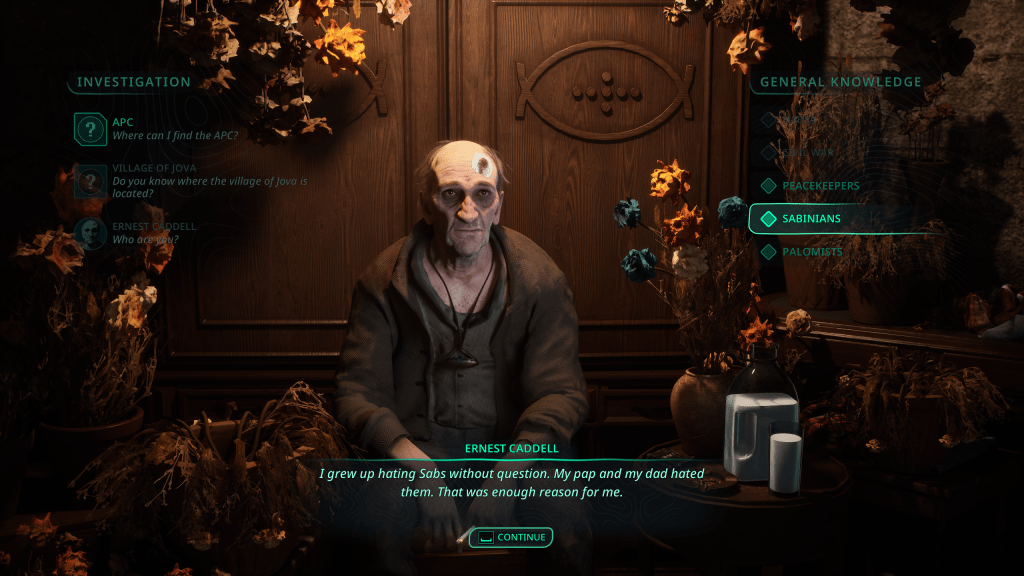
The story itself is a mix of government conspiracy in Hadea and story line of ancient orders and fanatic cults of Hadea’s past. So there’s still some gothic fantasy going on here. There’s also the story of the main character, Remi, looking for his parents and unraveling his own past which ties everything together. I’m loving the mix of “modern” Hadea filled with computers, office buildings, and secret labs and also unraveling the story of “historic” Hadea through the various books, artifacts, and monuments throughout the game. It’s a slow burn but it never lost my interest.

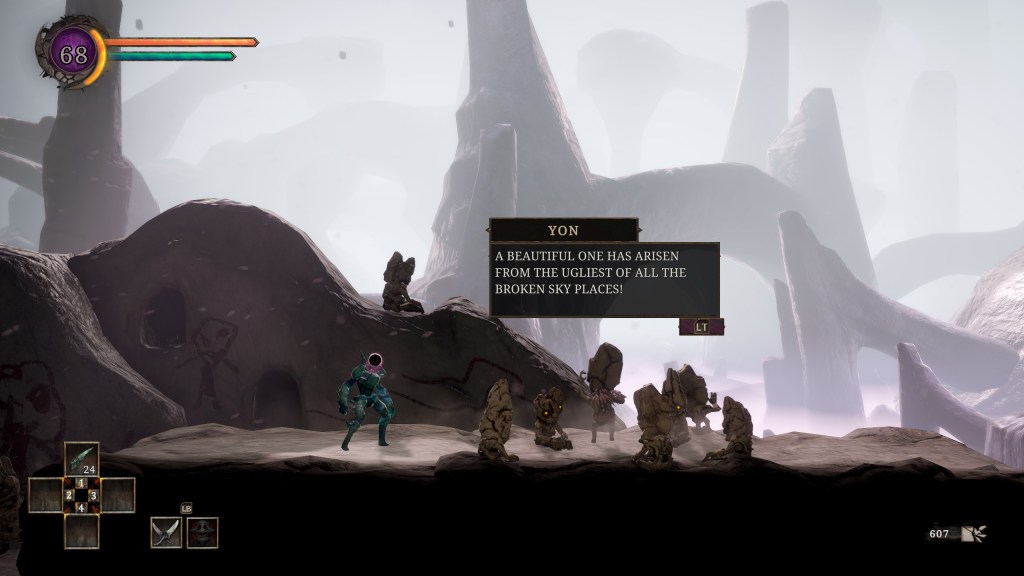
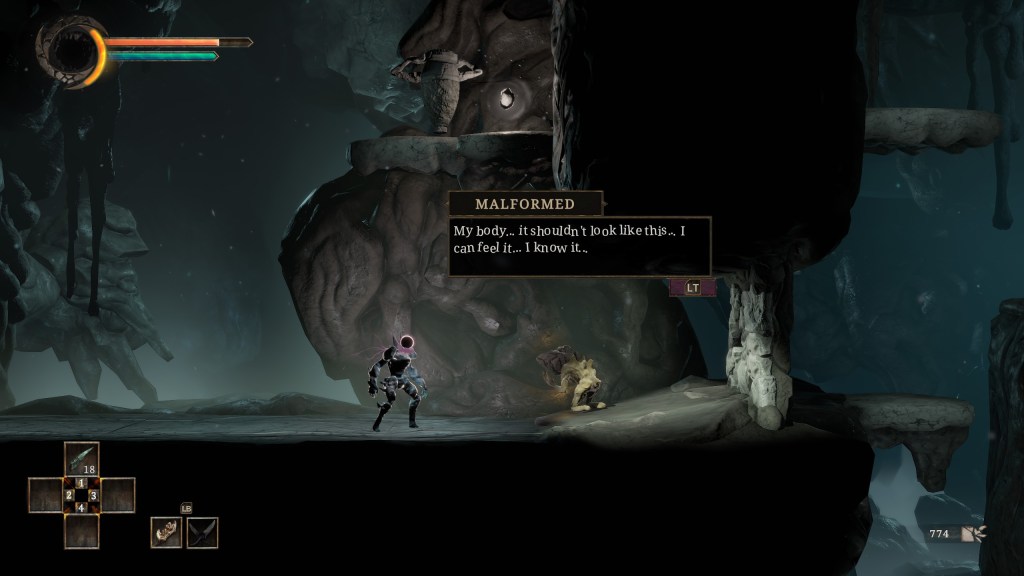
Hell is Us executes well on the “souls-like” style of exploration and storytelling through environments and objects in the world. I spent time combing each zone for secret passages, shortcuts, and new items that revealed a bit more information about Hadea. I was often more excited to find an item with something to read on it than any new piece of gear.
There are so many different things to find. There are research items which explain Hadea’s troubled history, there are miscellaneous items like diaries and newspaper clippings that give contexts to present day events. There are also items that lead to puzzles or “Good Deeds” where you have to give the correct item to the right NPC which help connect the player to the world.
Combat is not the main focus of Hell is Us. It’s there, and it can be challenging at first, but once I got the rhythm down and found a weapon I liked, it was almost trivial. Combat ends up being just one more puzzle to solve to get to where you want to go, rather than a main focus of the game. There aren’t difficult bosses, there’s no leveling or character builds, there’s hardly any combat customization save a few weapon choices and skills.
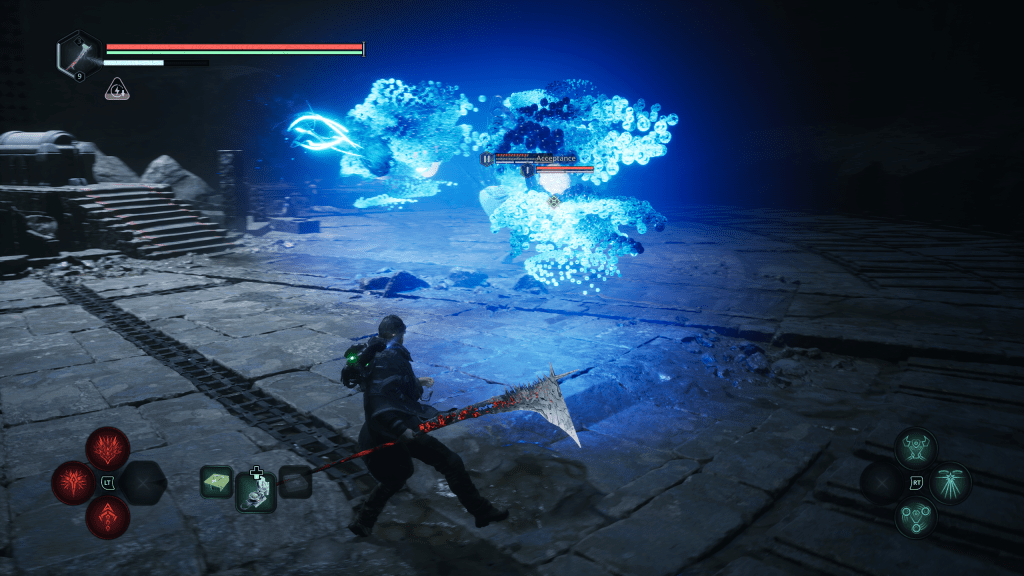
Death doesn’t punish you either. Enemies killed before you die stay dead, no health is lost, and, typically, there isn’t a long run back to where you died. There’s no “souls” to collect and sometimes dying is the better outcome because all your health is restored.
For me, this is more of a welcome relief than a deal breaker. My favorite part of Souls games has always been exploration. The combat tends to leave me frustrated, especially if I have to do the same section and kill the same enemies over and over again. The only time enemies respawn in Hadea is if you leave an area without closing the Timeloop. Something I always made sure I did so I didn’t need to repeat fights.
As a result, there are some mechanics I engaged very little with during my playthrough. You’re able to swap between two weapons but I never found the need to. If there are resistances and weaknesses of the enemies based on weapon type, I didn’t notice. I powered through everything with my Rage Pole-arm. I also had a Grief Pole-arm equipped but hardly ever used it. Defensive equipment can also be upgraded, something I forgot about and still found the final fights manageable. There are consumables littered throughout the world but I hardly ever needed them either. I did play on normal so this might be different on a higher difficulty.

I found Hell is Us to be the perfect length. It took me 27 hours to finish the story and I never once felt like it was dragging on. I did a lot of exploring and I read everything I came across, made sure to do the optional Good Deeds as I found them, and went out of my way to solve optional puzzles. There’s still plenty of things out there that I could have done or found but by story completion, I felt like I had a firm grasp on how everything connected together. I don’t feel a need to go back through and find everything I missed.


 Many Welps